
What People Get Wrong About Motorcycle Riders
Motorcyclists are often described in extremes: reckless, rude, dangerous, irresponsible, aggressive, crazy, and just about anything else. These assumptions have been repeated for decades and passed down more through imagery than experience.
But they don’t reflect the reality of some riders on the road today. Underneath the helmets are people who show up for their communities in everyday life.
Myth 1: Riders Are Reckless
The idea that motorcyclists are inherently careless is one of the most persistent myths. In reality, some riders are deeply intentional about how, when and why they ride. They plan routes, assess conditions, and make choices based on experience. Riding requires awareness, adaptability, and accountability.
Most riders understand that the margin for error is small. That awareness shapes behavior more than outsiders realize.
We aren’t saying some of us don’t sometimes have a little need for speed. We’re just saying that some of us aren’t 100 percent reckless 100 percent of the time. And that should count for something, right?
Myth 2: We All Have a Death Wish
We can’t speak for all but we thoroughly enjoy life. And swinging our leg over the bike is one of the most fulfilling ways in which we connect with nature and enjoy and appreciate life. The sounds, the wind, the different smells…it’s the closest some of us will ever be to flying.
Perhaps it’s the guts and glory that lead to this misunderstanding of why people ride. Some may never understand it. And we’re OK with that.
Myth 3: Riding is Selfish
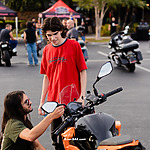
Some may say that riding is self-centered and done without consideration for family, responsibility or community. But that overlooks the riders who show up in thoughtful and caring ways for themselves, their family and friends, and others whom they may never know. Whether riding for a cause, like finding a cure for cancer, veteran and military suicide, making a child’s day by letting them rev bomb, or actively serving as educators, doctors, nurses, firefighters, officers, city officials, members of the armed forces, business owners, parents, or caregivers…all are roles that require reliability, accountability and service. Alongside their often demanding careers and family commitments, riding can sometimes be their way of calming what can sometimes be a chaotic life.
What the Stereotypes Miss
The bike community and culture spans professions, ages, backgrounds, and motivations. The coolest and loudest images rarely represent the majority.
Charity rides, memorial rides, fundraising events, and community outreach are part of the landscape, even if they don’t make headlines.
Some riders aren’t trying to defy expectations. They’re simply living life on their terms and part of that just happens to include riding.
Seeing Riders More Clearly
Stereotypes persist when people are reduced to symbols instead of being seen as individuals. But the more riders are seen in everyday roles: teaching, responding to emergencies, leading organizations, and serving communities, the harder those myths are to maintain.
Bikers aren’t defined by a single trait or image but by the same complexity as everyone else.
And that reality is far less dramatic and far more grounded than the myths suggest.